

Arriving in Pelican Town for the first time can be a bit overwhelming. Suddenly, you're faced with overgrown terrain, a tiny inventory, and a bunch of unfamiliar neighbors, all while the clock keeps ticking. It's normal to feel a little overwhelmed at first, but the most important thing to remember is that this is a game designed to be played to your heart's content.
You don't need to obsess over optimizing every second or feel like you have to complete the entire first year to "win." The true magic of Stardew Valley lies in creating your own experience , whether that means becoming a blueberry tycoon or simply spending your days fishing and chatting with the locals. Here's everything you need to get started with ease.
The first step: Choose your land
Before you put your hoe to the ground, you need to decide where you're going to build your home. The Standard Farm is the safest bet for beginners, as it offers plenty of space to experiment without restrictions. However, if you're looking for something different, the Prairie Farm is a gem because you start with a chicken coop and two hens, giving you a steady income from day one.
For those who prefer other styles, there are options like the Forest Farm, ideal for obtaining hardwood, or the Wild Farm, if you enjoy combat more. However, avoid the Beach Farm or the Riverland Farm in your first playthrough, as they have space limitations that can be frustrating if you haven't yet mastered the mechanics.
Day-to-day management and energy
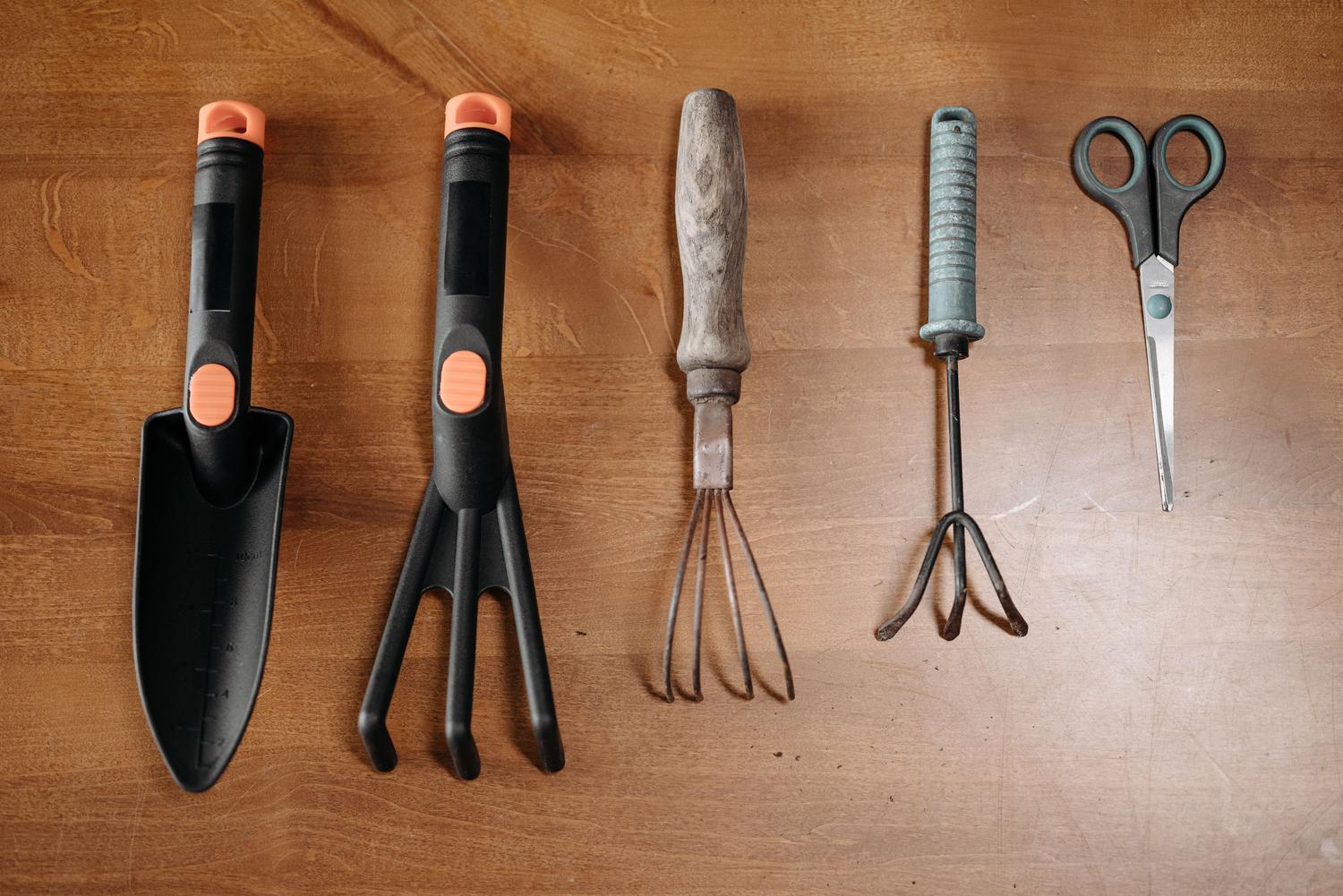
At first, you'll notice your energy bar drains quickly. To avoid running out of energy mid-day, it's best to alternate between light tasks like gathering wild items and heavy work. A vital tip is to activate the "always show where the tool hits" option in the menu ; this will prevent you from wasting energy on shots that miss.
To prevent the game from becoming chaotic, I recommend establishing a flexible routine. For example, you could dedicate Mondays to visiting the village, Tuesdays to clearing the terrain, and Thursdays to going down into the mines. Having a tentative schedule takes the pressure off deciding what to do each morning and allows you to enjoy the scenery more.
Agriculture: From Seed to Fortune
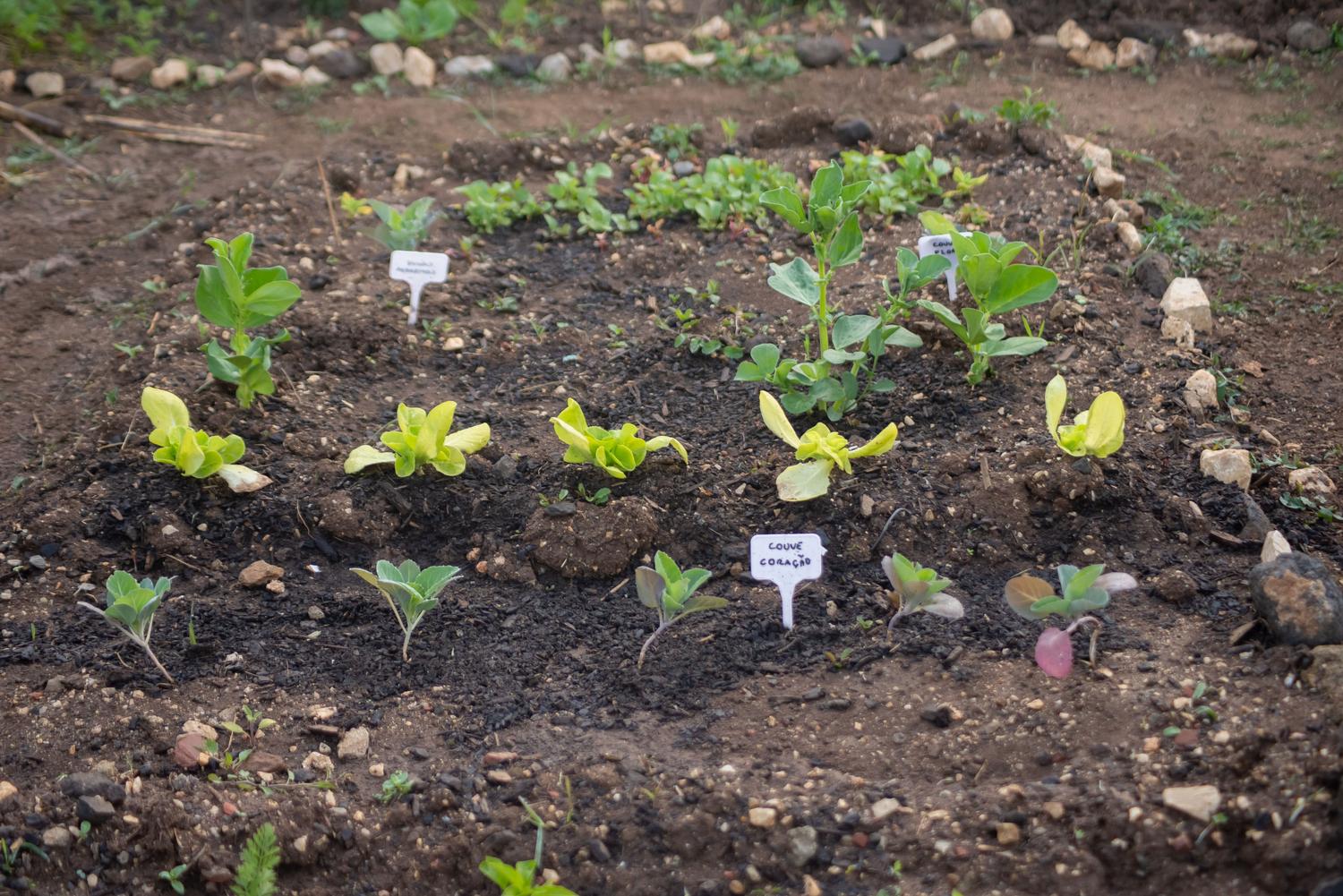
In spring, don't go overboard planting hundreds of things. Start with potatoes, parsnips, and cauliflower . Potatoes are especially forgiving because they grow quickly and are very profitable. A key time is the Egg Festival; if you can, invest in strawberries , as they are the economic engine of the first season.
When summer arrives, blueberries reign supreme thanks to their multiple harvests, though melons also offer a very attractive income. In autumn, opt for pumpkins and cranberries. A golden tip: don't cut all the tall grass until you have a silo built, as that grass will become hay to feed your future animals.
To prevent watering from becoming a chore, prioritize crafting sprinklers as soon as you can. Switching from manual watering to automation is the most satisfying change in the game, freeing up hours of valuable time each morning.
Mining and combat in the depths
The mines open on the fifth day of spring and are essential for obtaining materials. Don't try to descend levels recklessly; always carry food to restore health and energy. On the lower floors, a wooden sword is more than enough to defend yourself against monsters.
Take advantage of days when the TV announces good luck to explore further. The goal isn't to reach the 100th floor in a week, but to progress comfortably while upgrading your equipment. Remember that every five levels you'll find elevators that will make traveling back and forth much easier.

Interacting with NPCs is one of the most rewarding parts of the game. To gain friendship, the most effective way is to give them gifts of things they like (check the wiki if you have any questions). If you give them something they love on their birthday, your friendship points will skyrocket.
Don't forget to check the notice board in front of Pierre's shop every day. There are simple missions that will earn you money and improve your relationship with the neighbors. Also, try not to sell absolutely everything you get; keep at least two of each item for future orders or gifts.
Infrastructure and priority improvements
If you have to choose how to spend your first savings, upgrading your backpack should be your top priority. There's nothing more annoying than having to return to the farm mid-exploration because you're completely full. After that, consider building chests and organizing them by color so you don't go crazy looking for your things.
Another medium-term goal is to repair the beach bridge with 300 wood. This will open up a new area full of coral and sea urchins, which are excellent for leveling up your gathering skill. As for the Community Center, take your time. It's a lovely project, but there's no rush to complete it ; enjoy the process of collecting the items, whatever the season.
Winter: Time to organize and plan

When the cold weather arrives and the crops die, the game doesn't stop, but rather changes pace. It's the perfect time to reorganize your farm layout , delve deeper into the mines, or focus on livestock. Take advantage of this time to visit the Night Market and upgrade your tools.
Winter is the ideal time to strengthen ties with the villagers , as you have much more free time since you don't have to irrigate fields. It's essentially a period of rest and preparation to ensure an even more productive second year.
Mastering Stardew Valley is about finding the balance between hard work and relaxation, managing your resources wisely but without letting the pressure to be efficient steal the fun. From prioritizing your backpack and sprinklers to planting the right seeds each season and making friends in town, every little step will help you transform your plot into an agricultural paradise while enjoying a peaceful life away from the stresses of the city.
Table of Contents